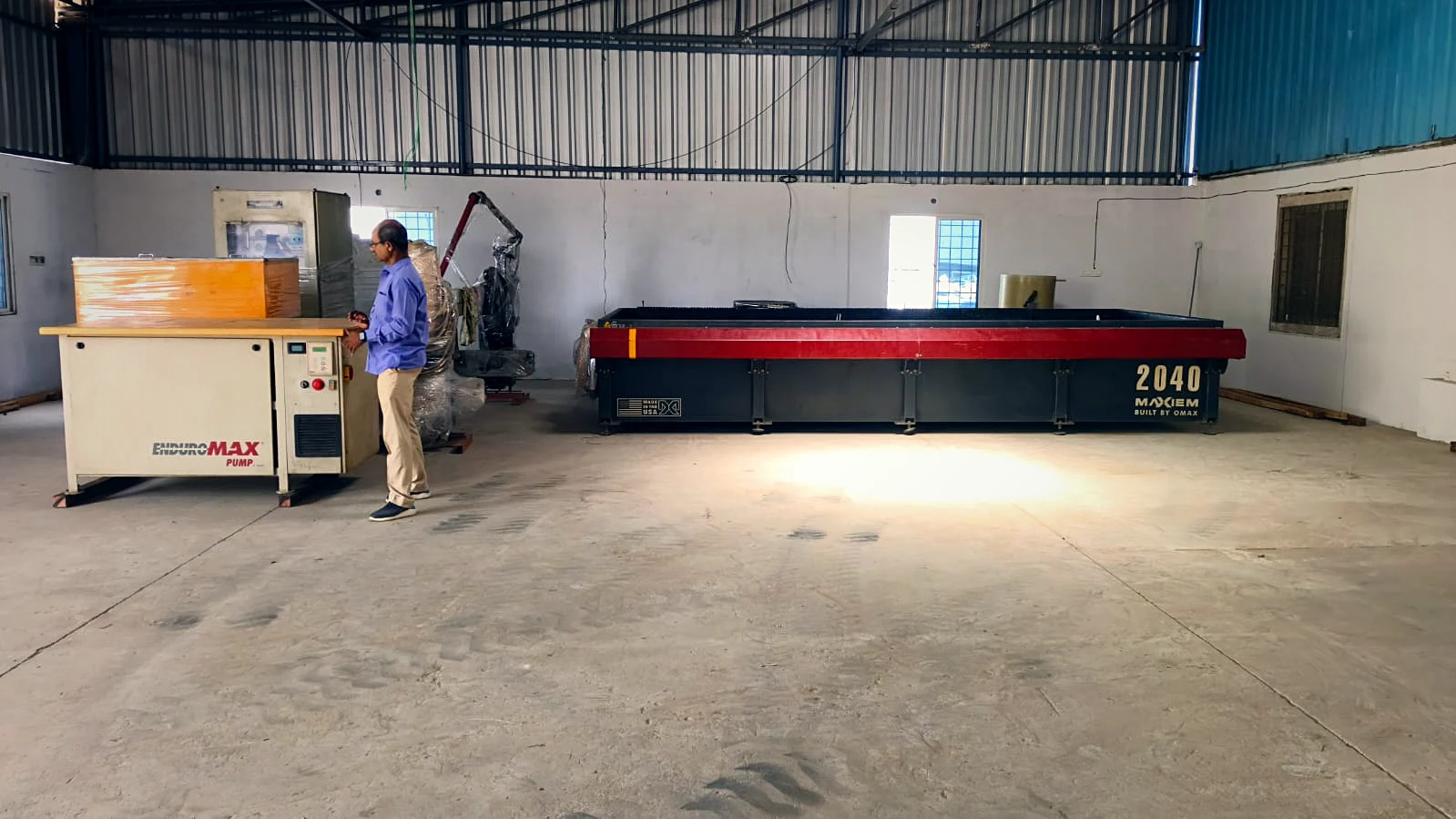
No vague answers and no runaround. Here is exactly what a waterjet quotation is built from, what makes a job cheaper or dearer, and how to get a firm figure from us within one business day.
Almost every serious waterjet shop in Hyderabad quotes on machine time. The abrasive waterjet consumes water, garnet and pump hours at a known rate, so the honest question is never “what is your price per piece” but “how long will this profile take to cut”.
That is why a rate card on a website is close to meaningless. The same 100 mm of cut takes a few seconds in 3 mm aluminium and far longer in 40 mm stainless. Quoting from your actual drawing takes us a few hours and gives you a number you can put in a purchase order.
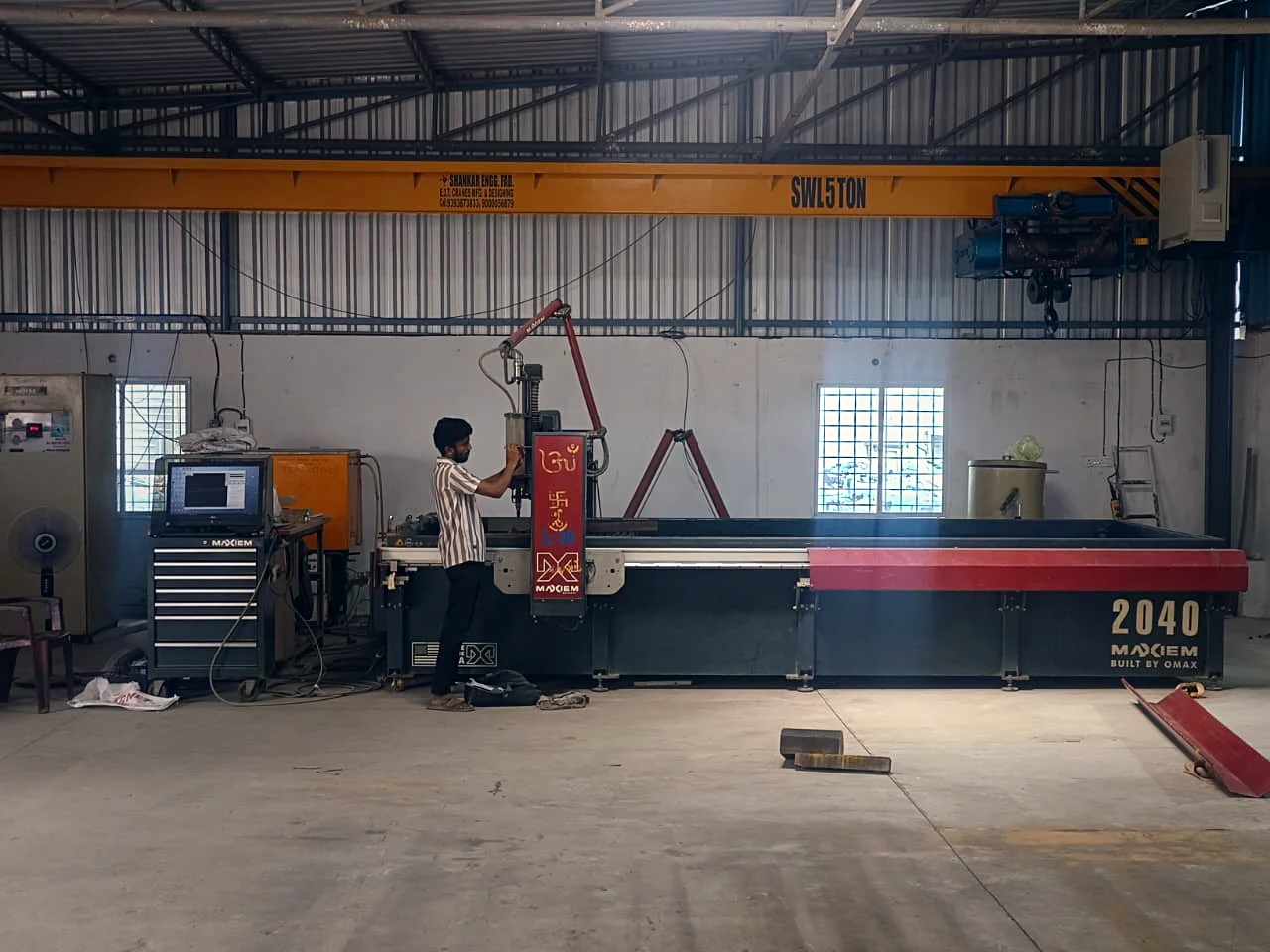
Typical turnaround from drawing received to firm quotation.
Hardness and density set how fast the jet can travel. Aluminium and mild steel cut quickly; stainless, titanium and Inconel take longer for the same thickness.
The single biggest lever. Cutting time rises steeply with thickness, so a 25 mm plate costs far more per metre of cut than a 5 mm sheet of the same alloy.
We measure the full perimeter, including every internal cut-out and slot. An intricate profile with many features costs more than a plain rectangle of the same size.
A rough separation cut is quick. A smooth, near-finished edge means slowing the jet down considerably. Asking for the finest finish on every face is the most common way jobs get expensive.
Setup is amortised across the batch, and parts nested tightly on one plate share pierces and reduce waste. Per-piece cost usually falls noticeably from the first piece to the tenth.
Every internal opening needs the jet to pierce the plate first, which takes time — especially in thick material. Fixturing and programming for an unusual part is quoted separately.
| Consideration | Abrasive Waterjet | Laser | Plasma |
|---|---|---|---|
| Machine rate per hour | Higher | Moderate | Lowest |
| Heat-affected zone | None — cold process | Yes | Yes, pronounced |
| Typical secondary work | Often none | Deburring, occasional rework | Grinding and dressing usual |
| Thick sections | Strong | Limited | Good, at rougher tolerance |
| Stone, glass, rubber, composites | Yes | No | No |
| Reflective metals (copper, brass) | Yes | Problematic | Limited |
| Best value when… | Heat matters, material is thick, valuable or non-metal | Thin sheet metal in volume | Rough structural steel work |
If a part needs deburring, straightening after warping, or re-machining of a hardened edge, the cheap cutting rate stops being cheap. On heat-sensitive and thick work, waterjet regularly wins on the only number that matters — the cost of a finished, accepted part.
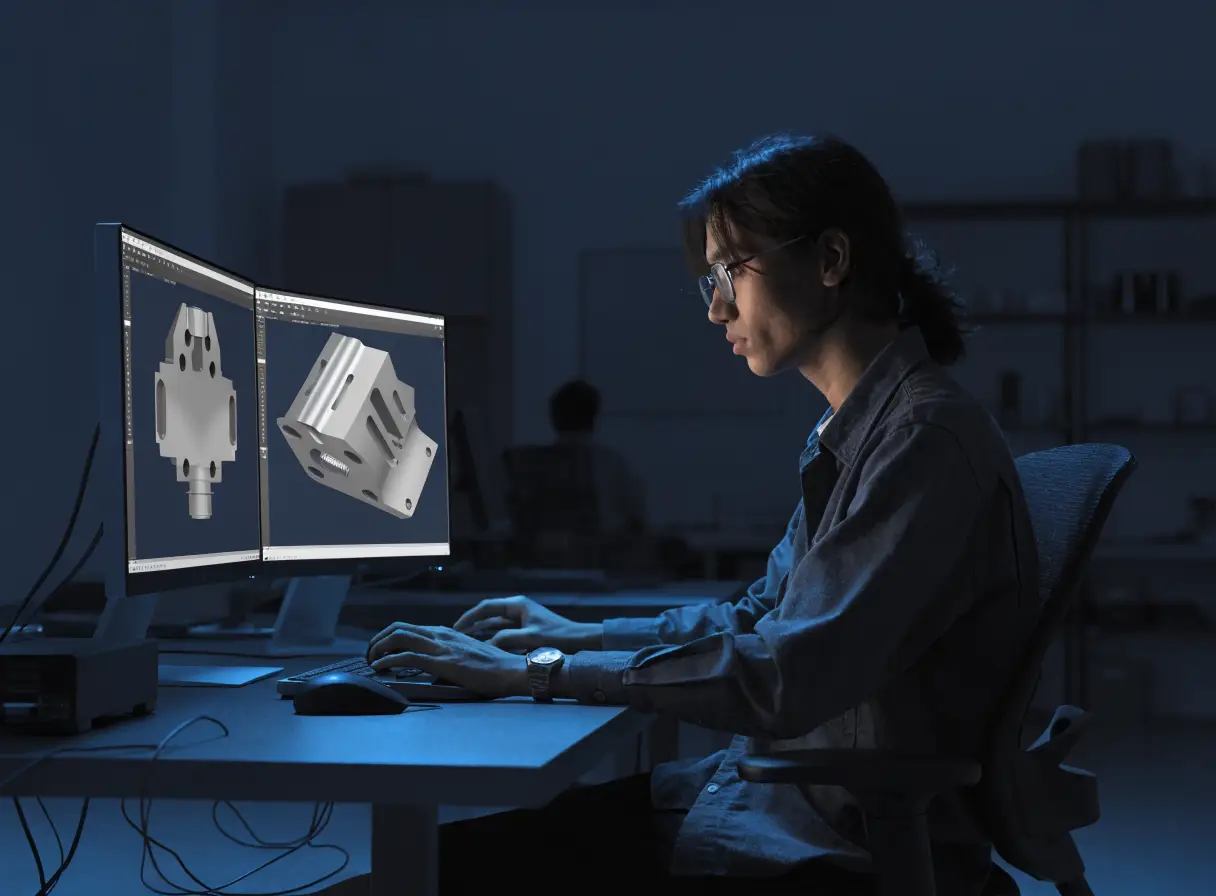
The quickest quotations we turn around are the ones that arrive complete. Send these on WhatsApp or email and there is usually nothing further to ask you.
Running ten brackets together costs far less per piece than ten separate visits. If a repeat order is coming, tell us and we will nest for it.
Ask for a fine edge only where a face is seen or sealed. Hidden and later-machined faces can take a faster cut at real savings.
Unnecessarily tight internal radii and decorative detail add cutting time. A small design change often costs nothing and saves plenty.
A tidy DXF with closed profiles and no duplicate lines quotes faster and cuts cleanly. We will flag file problems rather than guess.
Share your DXF, DWG, PDF or sketch and receive a precise, competitive quotation within one business day — along with any suggestion we spot for cutting the cost.
We typically respond within one business day.